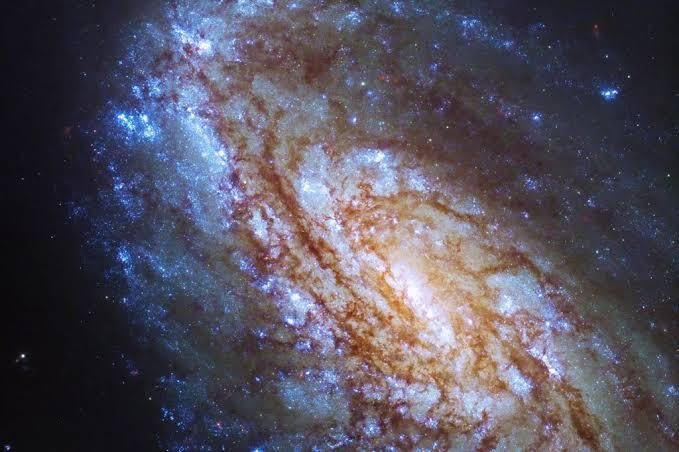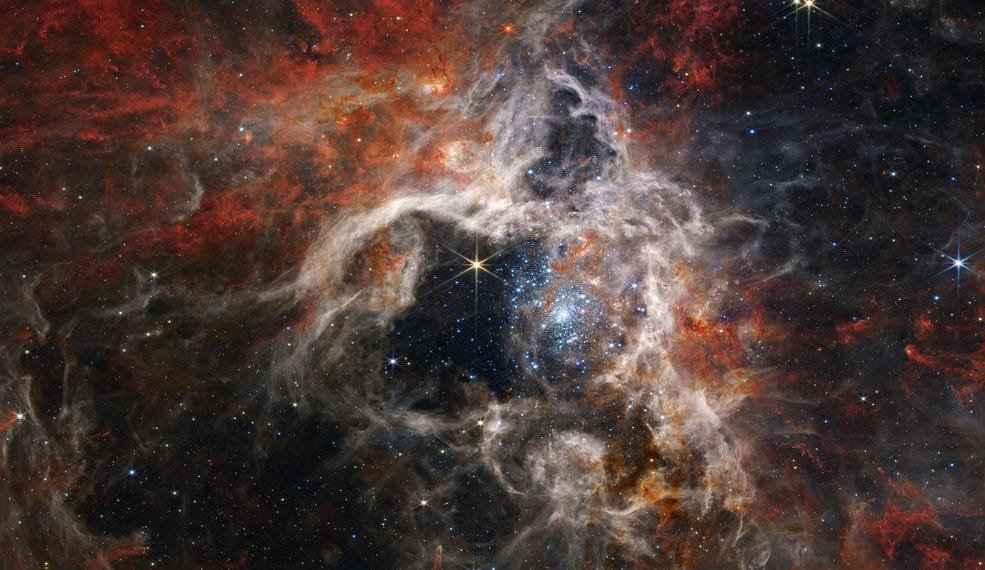
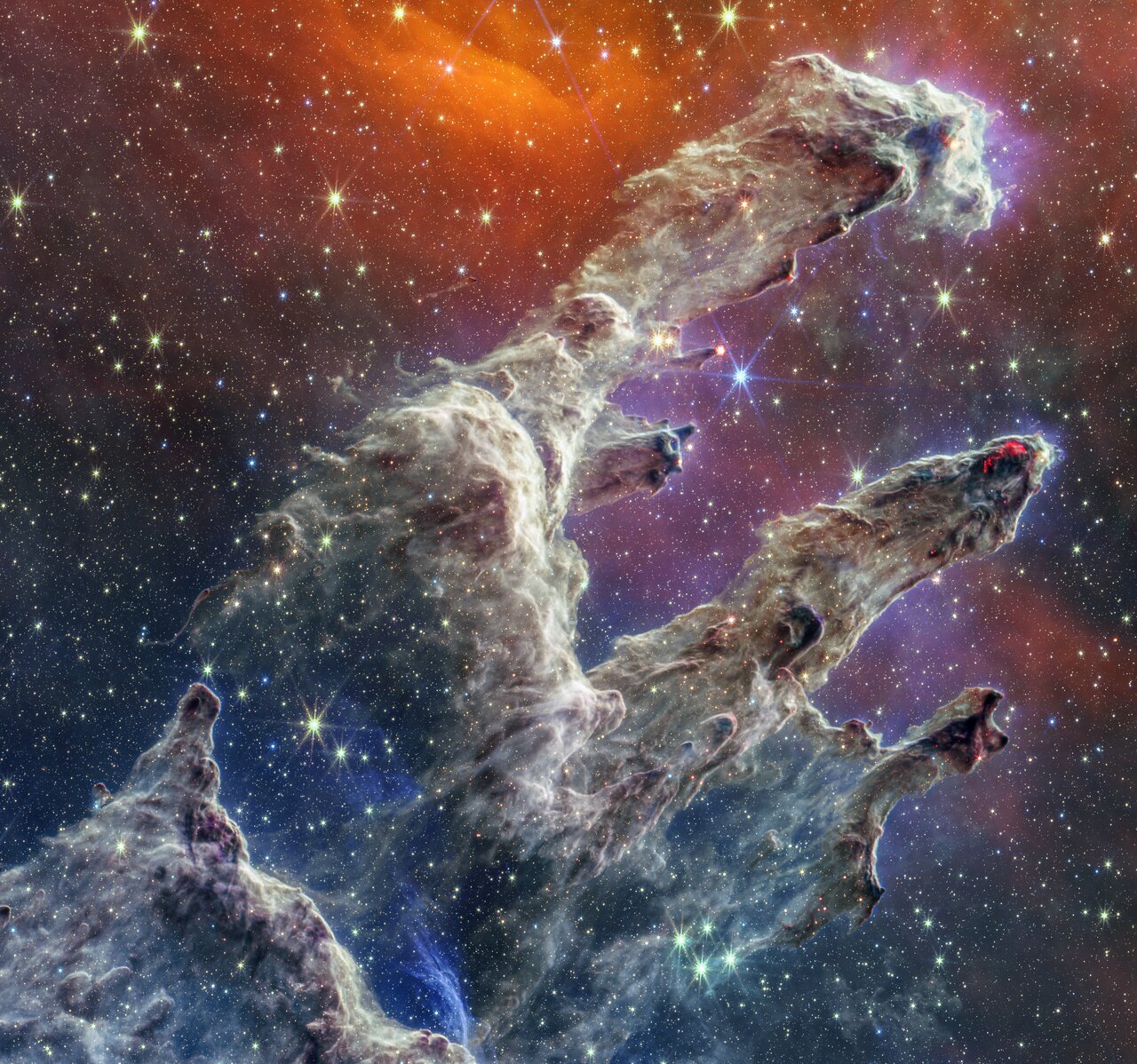
The James Webb Space Telescope (JWST) has produced its deepest image of the universe to date, revealing thousands of distant galaxies, some of which formed less than a billion years after the Big Bang.
Astronomers say this observation is one of the most important breakthroughs in modern cosmology, as it allows scientists to study the early stages of galaxy formation in unprecedented detail. Many of the galaxies appear smaller, more irregular, and more active than those seen in the nearby universe.
Researchers are now analyzing the light spectra from these galaxies to determine their chemical composition and star formation rates. Early results suggest that galaxies in the early universe evolved much faster than previously thought.
This discovery may force revisions of existing models of cosmic evolution and help explain how large-scale structures formed across billions of years.